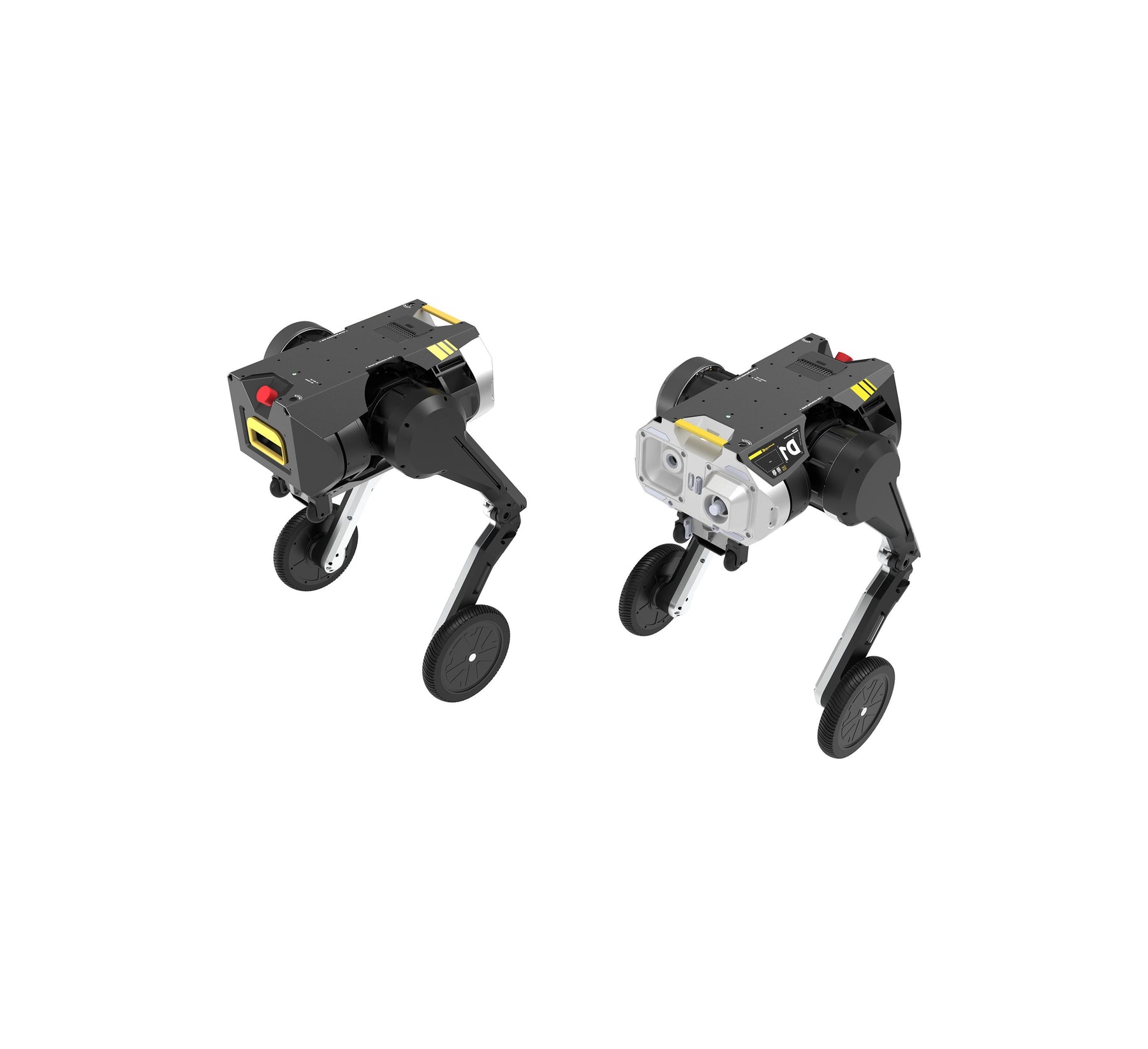
A modular robot package combines the mobile platform, sensors, computing units, software tools, accessories, and service options into one expandable system. Current industrial platforms released between 2020 and 2026 show that modular designs can reduce hardware replacement needs by around 30%–50% because users can upgrade individual components instead of purchasing a completely new robot.
Modular robot systems are usually compared through five areas: package configuration, accessory availability, software openness, maintenance support, and long-term upgrade options. A basic research package may include only a mobile base and control interface, while commercial packages often add LiDAR, robotic arms, safety sensors, charging docks, and fleet management functions. The selection depends on whether the robot is used for education, inspection, manufacturing, healthcare, or logistics.
“A robot platform is easier to deploy when hardware modules and software tools are designed as one ecosystem rather than separate products.”
Package differences are reflected in the amount of preparation required before operation. Entry-level systems are commonly used by universities and developers because they allow custom programming and hardware testing. Industrial packages focus more on reliability, safety certification, and continuous operation. For example, warehouse robots running 16–24 hours per day usually require automatic charging, remote monitoring, and redundant sensing systems.
| Package Type | Included Components | Typical Usage |
|---|---|---|
| Development Package | Mobile base, SDK, basic sensors | Research and prototyping |
| Navigation Package | LiDAR, cameras, SLAM software | Mapping and inspection |
| Manipulation Package | Robotic arm, gripper, force sensing | Picking and assembly |
| Industrial Package | Safety system, fleet tools, service plan | Commercial deployment |
The package structure also affects deployment time. A system built from separate components often requires additional calibration, software integration, and testing. Pre-configured modular packages can reduce setup periods by approximately 40% in many robotics projects because sensors, controllers, and software have already been tested together.
The accessory ecosystem determines how many different tasks one robot can perform. Modern modular robots support a wide range of attachments, including cameras, 2D and 3D LiDAR, robotic arms, environmental sensors, payload platforms, and communication modules. A logistics robot may require a cargo platform, while an inspection robot may need thermal imaging or high-resolution cameras.
Different accessories provide different capabilities:
| Accessory | Function | Common Application |
|---|---|---|
| 3D LiDAR | Environmental mapping | Warehouses, factories |
| RGB-D Camera | Object recognition | Research, service robots |
| Robotic Arm | Object handling | Assembly, laboratories |
| Docking Station | Automatic charging | Continuous operation |
| Industrial Communication Module | Stable data connection | Large facilities |
Sensor combinations have changed significantly since 2020. Many autonomous mobile robots now use multiple sensing methods because a single sensor may not perform well in every environment. LiDAR provides accurate distance measurements, cameras provide visual information, and inertial sensors help maintain positioning accuracy during movement.
For example, a robot operating inside a 5,000–20,000 m² warehouse may combine LiDAR, cameras, and wheel encoders to maintain navigation performance. In some commercial systems, multi-sensor localization improves positioning reliability by more than 20% compared with single-camera navigation.
“Modular accessories allow one robot platform to support several applications without replacing the main mechanical structure.”
The same principle applies to the D1 platform family. Different configurations are designed for different regions and application requirements, including D1 robot Europe and global versions. Users can select compatible hardware packages, accessories, and support options according to local requirements, research needs, and deployment environments.
Software support is another area where modular robot platforms differ significantly. A robot with open development tools allows engineers to modify navigation algorithms, connect external sensors, and create customized applications. Platforms supporting ROS or similar frameworks are commonly selected by research teams because they provide access to existing robotics libraries.
Software packages often include:
| Software Component | Purpose |
|---|---|
| SDK | Application development |
| Simulation Environment | Virtual testing |
| API Interface | External system connection |
| Fleet Management | Multi-robot control |
| Data Tools | Performance analysis |
Simulation has become more common after 2020 because it reduces repeated physical testing. Developers can test navigation routes, sensor placement, and robot behavior before deployment. In some robotics development processes, simulation can reduce early testing requirements by 30%–50%, especially for environments with complex layouts.
Software updates also influence long-term usability. A robot purchased in 2022 may continue operating several years later if its computing module, sensors, and software remain upgradeable. Fixed hardware designs usually require full replacement when technology changes, while modular systems allow gradual improvements.
Technical support is another factor when comparing robot packages. Support services range from online manuals and software updates to professional maintenance contracts. Companies operating multiple robots often require faster response times because downtime affects production schedules.
| Support Level | Service Content | Suitable Users |
|---|---|---|
| Basic | Documentation, software updates | Developers |
| Professional | Remote assistance, training | Small and medium companies |
| Enterprise | Maintenance contracts, integration service | Large facilities |
Support requirements increase as robot numbers grow. A single research robot may be managed by one engineer, but a fleet of 50 or more robots requires structured maintenance procedures, replacement parts planning, and software management tools.
“The purchase cost is only one part of a robot system. Maintenance, software updates, and accessory compatibility influence total ownership costs over several years.”
Cost comparison between modular and fixed robots shows different spending patterns. A modular system may have a higher initial price because it includes upgrade options and development tools, but later upgrades usually require replacing fewer components.
| Cost Category | Typical Percentage |
|---|---|
| Main Robot Platform | 40%–60% |
| Sensors and Accessories | 15%–30% |
| Software Integration | 15%–35% |
| Annual Maintenance | 5%–15% |
The operating environment also affects package selection. Indoor logistics robots prioritize navigation accuracy and charging efficiency. Outdoor inspection robots require weather resistance, stronger communication systems, and improved terrain handling. Healthcare robots may focus on safety sensors, quiet operation, and human interaction features.
Different industries show different priorities:
-
Manufacturing: safety systems, repeatability, industrial communication.
-
Logistics: battery life, fleet management, payload capacity.
-
Research: open interfaces, programming flexibility.
-
Inspection: sensor expansion and data collection.
-
Education: affordable hardware and software access.
A modular robot platform becomes more useful when future applications are considered during purchase. A company that initially uses a robot for warehouse mapping may later add a robotic arm or inspection sensor instead of purchasing another platform.
“A flexible package design allows one robot base to support multiple tasks across different stages of deployment.”
The comparison of modular robot packages, accessories, and support shows that hardware alone does not determine long-term performance. Package selection, accessory compatibility, software availability, and technical service together decide how easily a robot can adapt to changing requirements. From research environments to industrial facilities, modular systems provide a practical approach for expanding robot functions while reducing the need for frequent equipment replacement.